Best Smoothies for IBS: Why Gut Health Matters and How Smoothies Can Help
If you’re struggling with IBS (Irritable Bowel Syndrome) you’re not alone. Symptoms like bloating, gas, constipation, and diarrhea can make daily life feel like a challenge. But what if there was a simple, delicious way to support your digestive health and relieve IBS symptoms?
Enter smoothies!
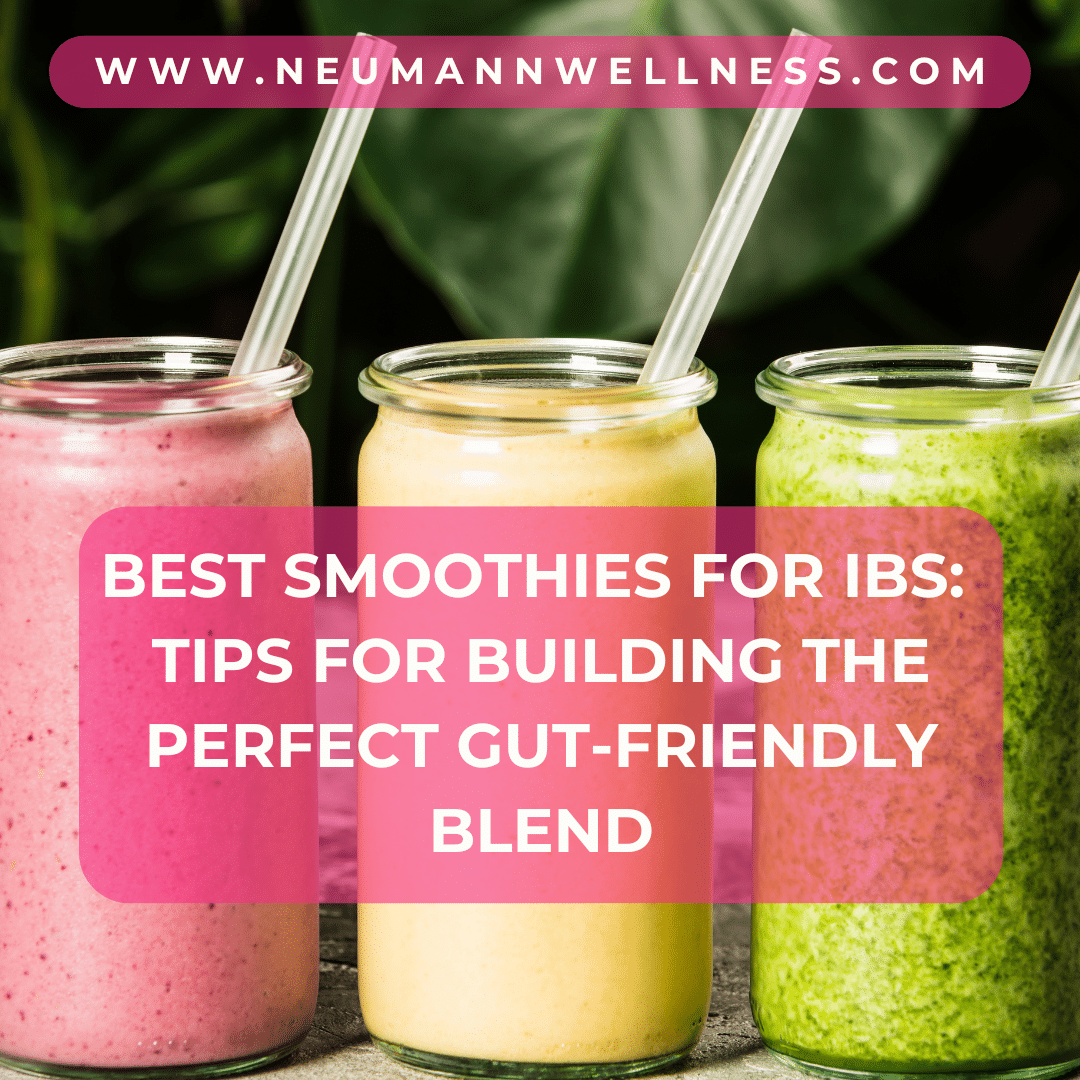
Smoothies are not only easy to digest but can be packed with nutrients that help soothe your gut. When made with the right ingredients, smoothies can be an incredibly effective tool in managing IBS.
In this post, I’ll explore the best smoothies for IBS, how they can benefit your digestive system, and provide you with some delicious recipes to try.
What is the Gut Microbiome & Why Does It Matter?
The gut microbiome is the community of trillions of bacteria and other microorganisms that live in your digestive tract. These microbes play an essential role in digesting food, regulating your immune system, and maintaining overall gut health.
An imbalance in the gut microbiome can lead to digestive issues, including IBS (1). When harmful bacteria overtake beneficial microbes, it can trigger inflammation, disrupt digestion, and cause the uncomfortable symptoms associated with IBS, like bloating, gas, constipation and diarrhea (2).
Maintaining a healthy balance of gut bacteria is crucial for managing IBS symptoms. And this is where food—particularly smoothies—comes into play (3). A diet rich in gut-nourishing ingredients can support a healthy microbiome, reduce inflammation, and improve digestion (4).
Feel less bloated, more energized, and in control of your digestion— in just 5 days.
A dietitian designed plan to calm your gut naturally.
Get Instant Access👇
How the Microbiome Impacts IBS
The gut microbiome and IBS are closely linked. Research has shown that people with IBS often have an imbalance in their gut bacteria (5). This imbalance can cause the gut to become overly sensitive, leading to the hallmark IBS symptoms: bloating, diarrhea, constipation, and abdominal pain.
One key factor at play is the gut-brain axis which is the communication network between your gut and brain (6). This two-way communication can affect your mood, stress levels, and even digestive health. For IBS sufferers, stress or anxiety can worsen gut symptoms, and an unhealthy gut can send signals to the brain, triggering further discomfort.
By supporting the gut microbiome with the right foods—like those in gut-friendly smoothies—you can help restore balance, reduce inflammation, and promote better digestion (7).
Why Smoothies Are the Best Way to Support Gut Health and Manage IBS
Smoothies are an excellent option for anyone looking to manage IBS because they are both easy to digest and nutrient-dense. When you blend whole foods like fruits, vegetables, seeds, and healthy fats, you create a drink that delivers essential nutrients in a form that’s gentle on the gut (8).
Here are a few reasons why smoothies are perfect for supporting gut health:
- Easily digestible: The blending process helps break down fiber, making it easier for your gut to absorb nutrients.
- Anti-inflammatory properties: Many smoothie ingredients, such as spices, colorful fruits and vegetables, and healthy fats contain anti-inflammatory properties that can reduce gut irritation.
- Rich in fiber and polyphenols: Fiber helps regulate bowel movements, while polyphenols provide antioxidant and anti-inflammatory benefits that support a healthy gut environment while boosting beneficial microbes.
- Customizable: You can create smoothies tailored to your specific needs or whether you’re dealing with bloating, constipation, or diarrhea.
With the right ingredients, smoothies can serve as a powerful tool in managing IBS and promoting overall gut health.
What You’ll Need to Make the Best Smoothies for IBS
To make the best smoothies for IBS, it’s important to choose ingredients that are both gentle on your digestive system and beneficial to your gut. Below are some must-have ingredients that will help soothe your symptoms and nourish your gut.
Gut-Friendly Ingredients for IBS Smoothies:
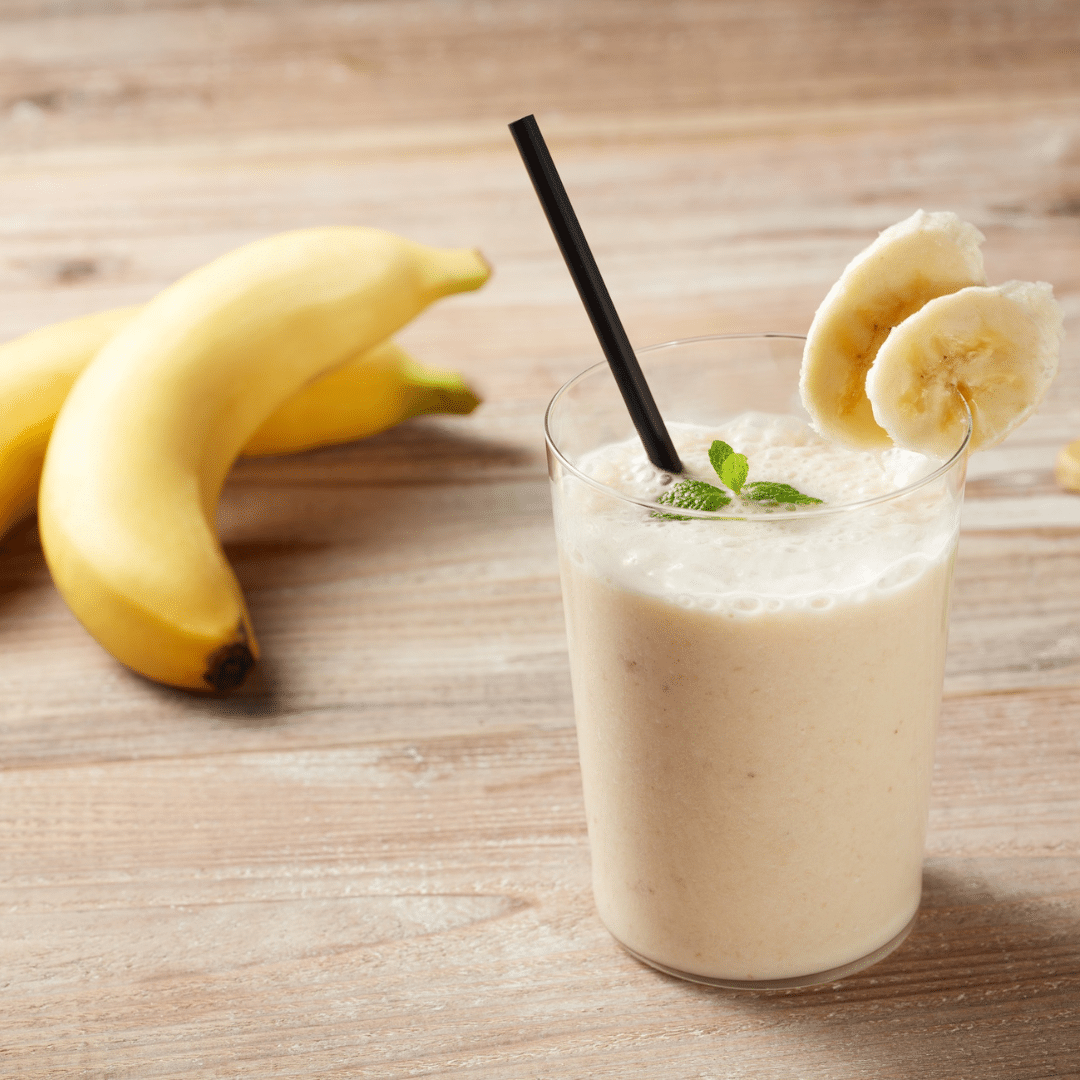
- Bananas: when on the greenish side they are rich in prebiotic fiber, which feeds the good bacteria in your gut (9). They’re also easy to digest and help keep stool formed, making them perfect for IBS sufferers.
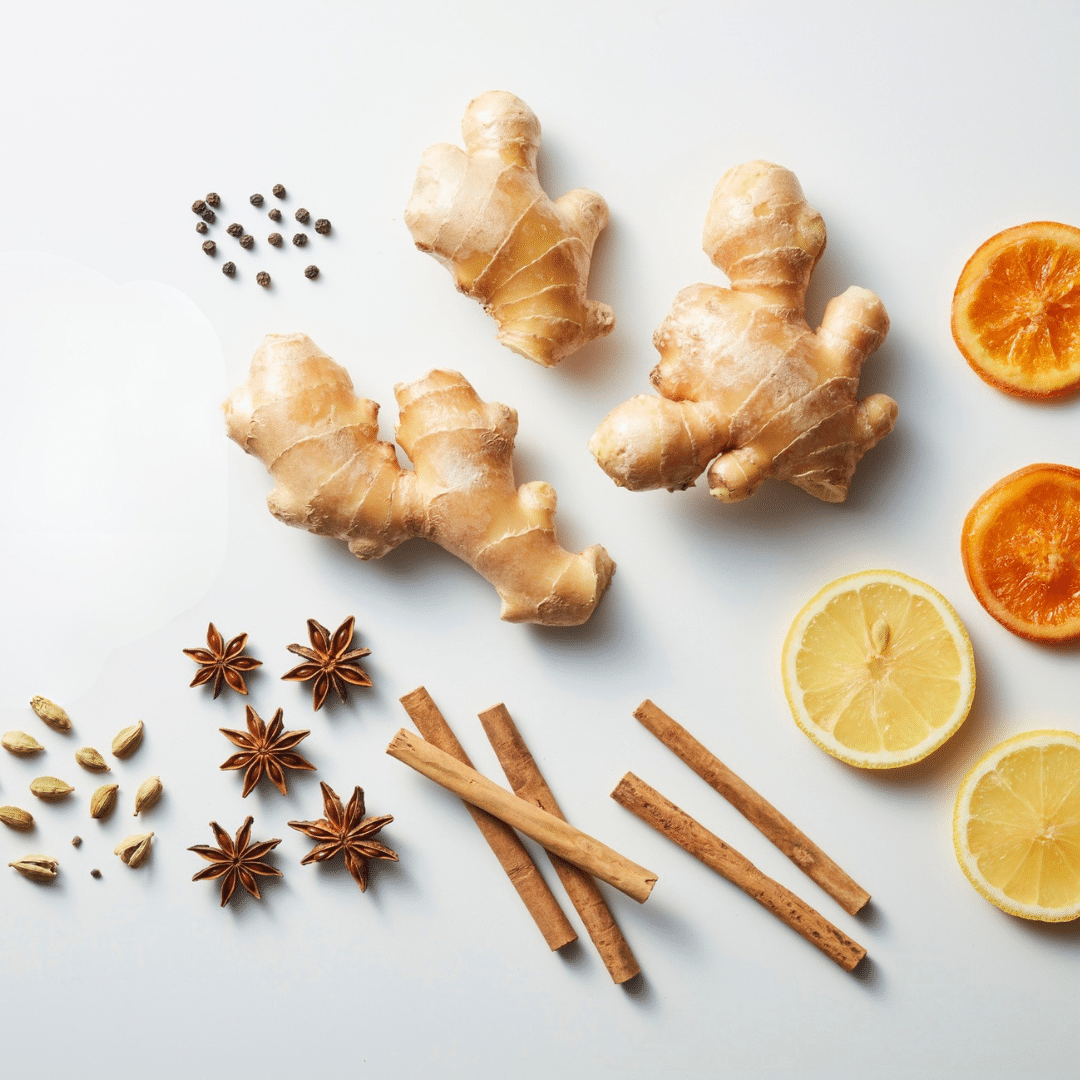
- Cinnamon, Cardamom, Mint, and Ginger: these spices can reduce nausea, bloating, alleviate gas, calm indigestion and promote gut motility (10, 11, 12, 13).
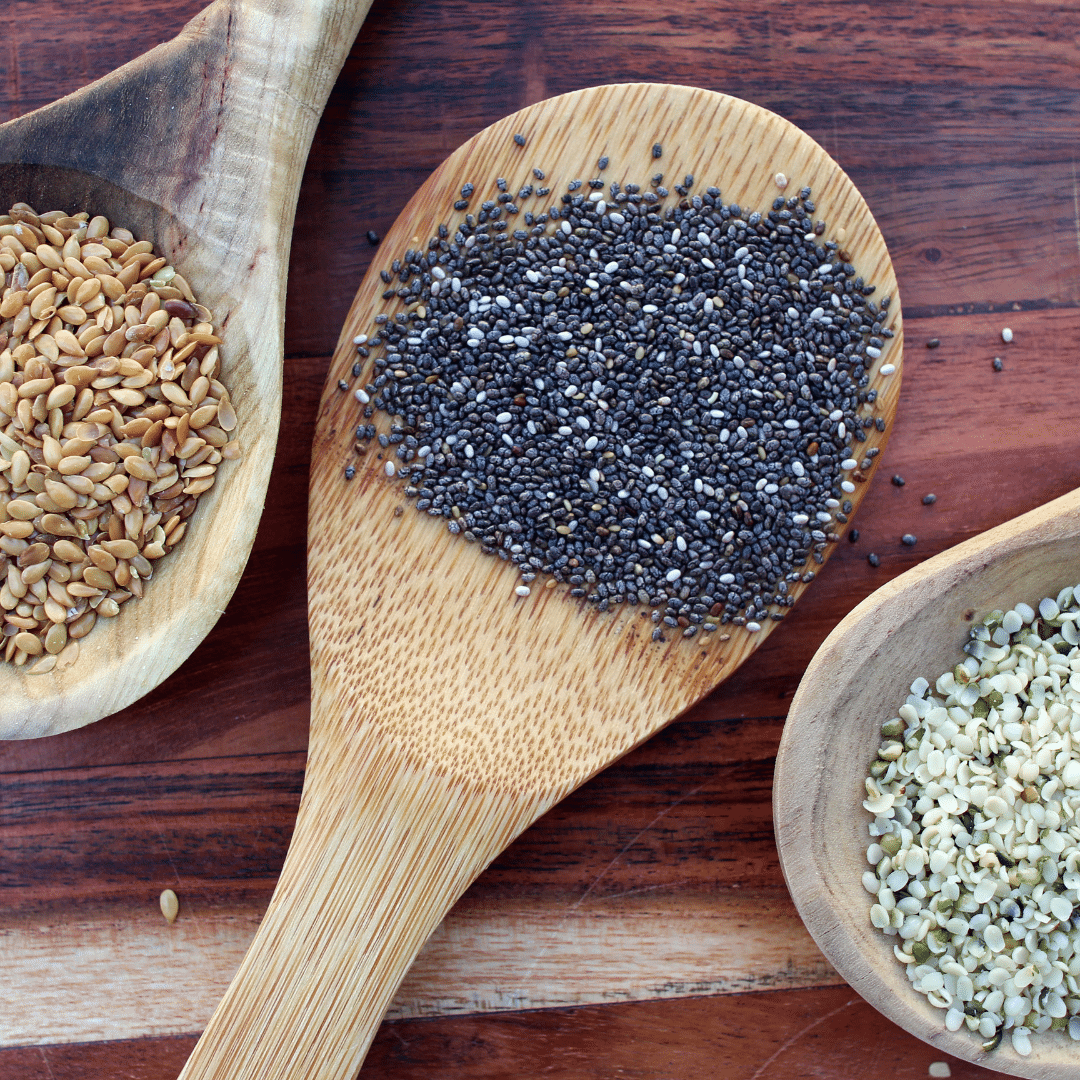
- Chia Seeds, Hemp Seeds, & Ground Flax Seeds: these seeds are packed with fiber and omega-3 fatty acids, they can firm up stool while also keeping things moving smoothly (14, 15).
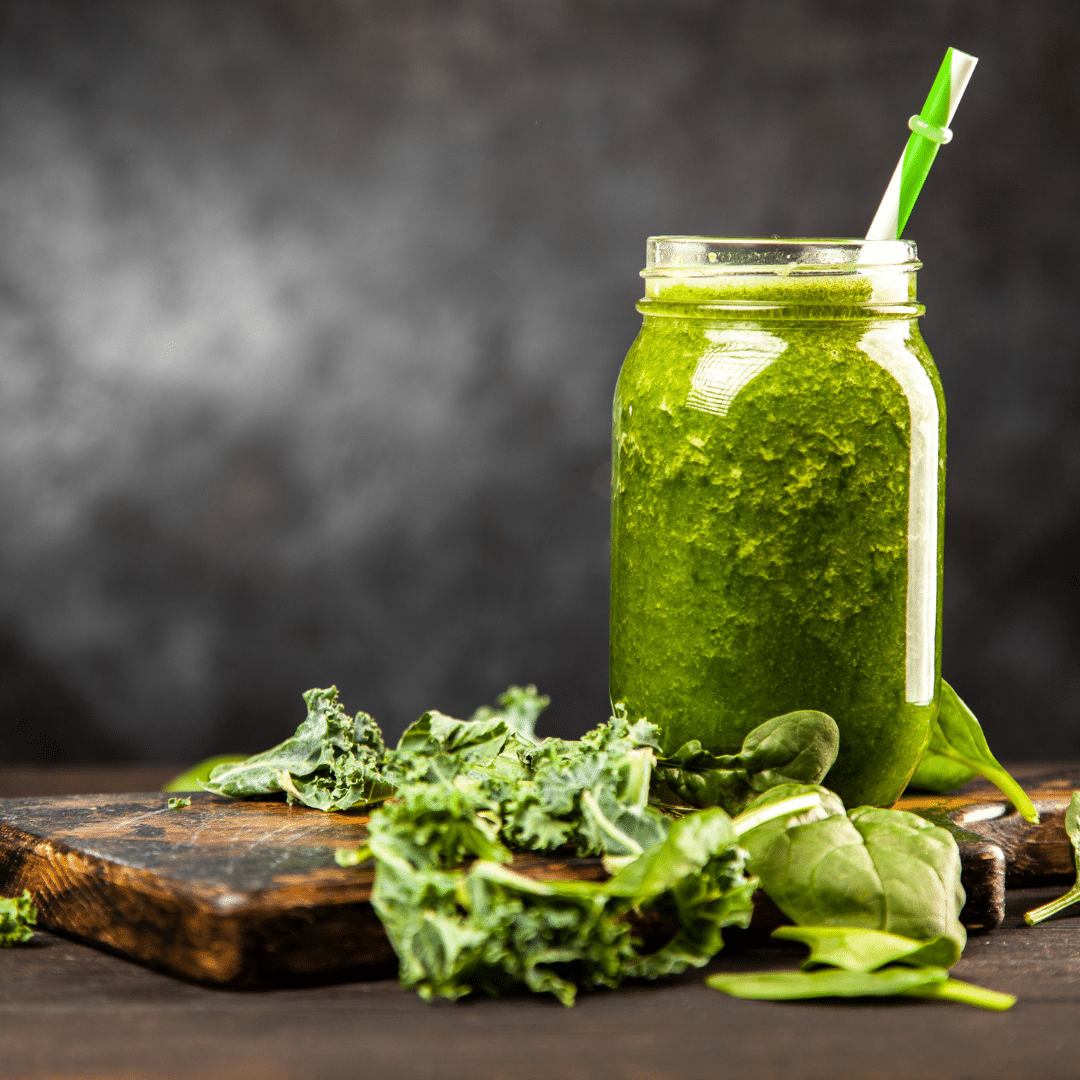
- Leafy Greens (Spinach, Baby Kale, Dandelion Greens): These greens are rich in magnesium and antioxidants, which help support healthy bowel movements and reduce gut irritation (16, 17).
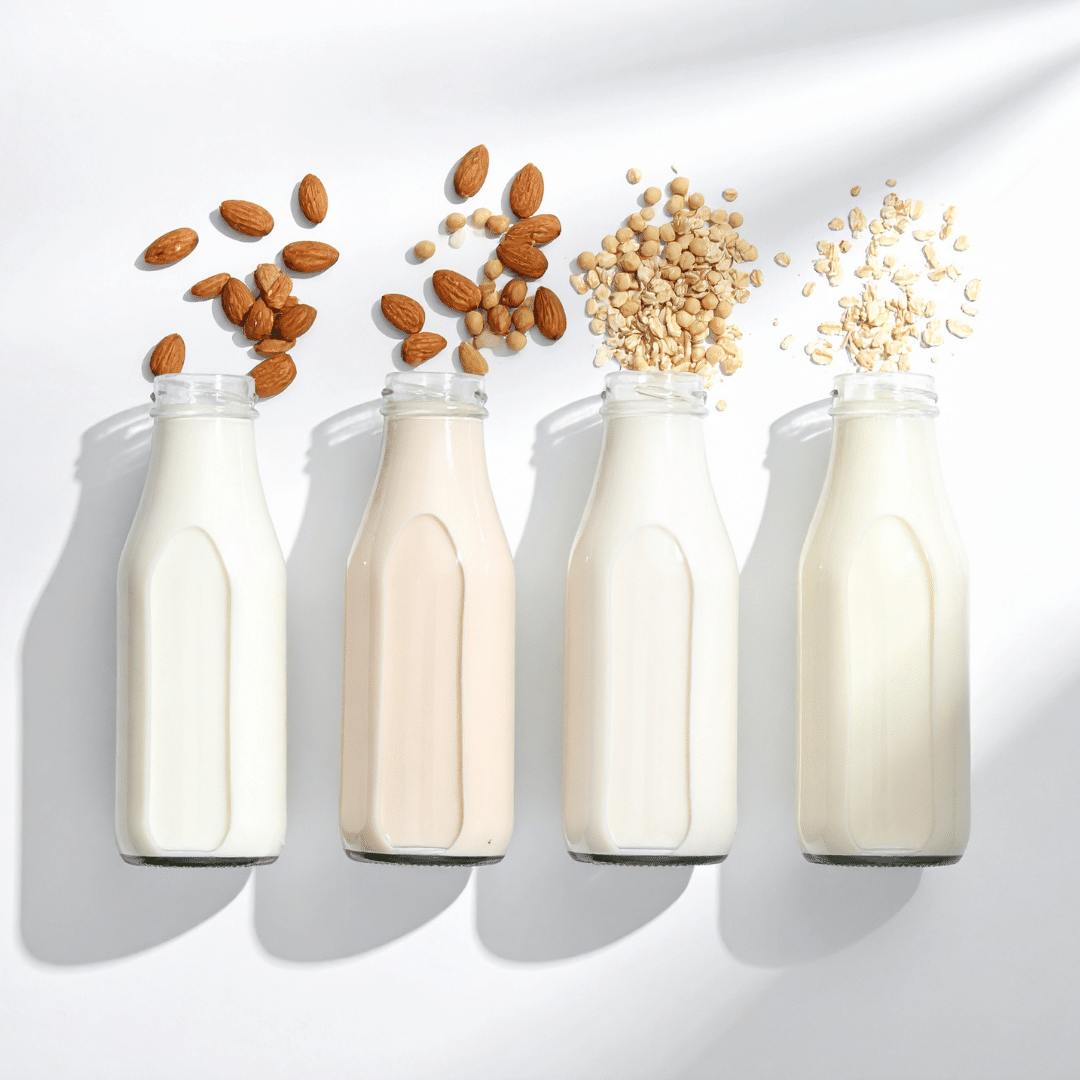
- No Additive Plant Based Milks: Dairy is often a trigger for IBS sufferers, so using a no-additive plant based milk can be a great swap to reduce gut discomfort (18, 19).
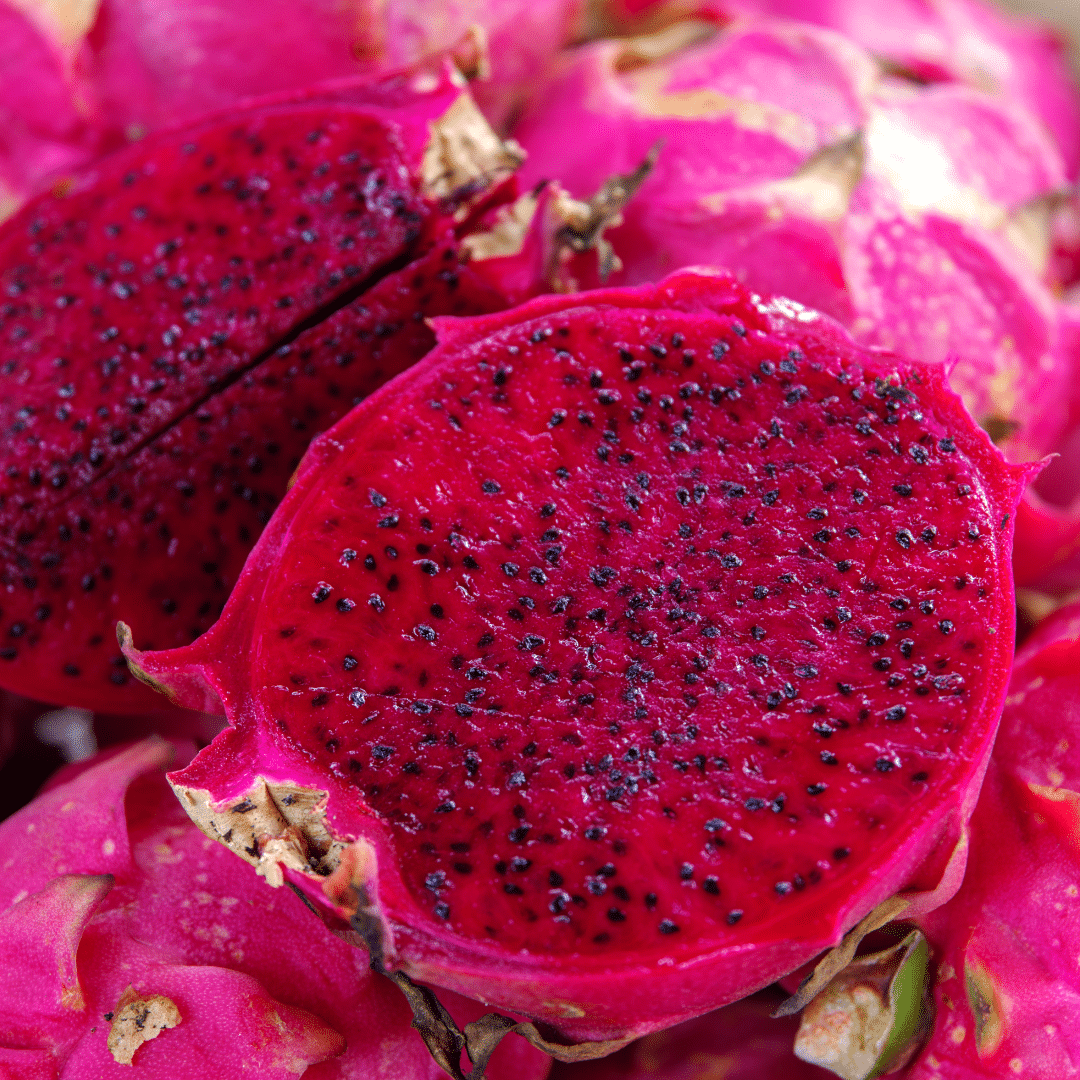
- High Polyphenol Fruits: Fruits like frozen dragon fruit, dried black currant powder, acai berry, and wild blueberries are packed with polyphenols, which have antioxidant and anti-inflammatory properties that help support the growth of beneficial bacteria and therefore reduce IBS-related inflammation (20).
These super ingredients all work together to support your gut health and reduce IBS symptoms. Play around with your favorite combinations and switch it up to boost microbiome health and diversity.

How to Build Your IBS-Friendly Smoothie
Building an IBS-friendly smoothie is simple and delicious when you choose the right ingredients. By following these easy steps, you can create a gut-friendly blend that supports digestion, reduces bloating, and promotes overall gut health. From picking the right base to adding fiber and healthy fats, this guide will help you craft the perfect smoothie for your digestive needs.
Step 1: Pick Your Base (1 – 1.5 Cups)
- Coconut water
- Pure Filtered Water
- Brewed Green Tea
- GT’s Kombucha (1/2 cup +1/2 cup water)
- No-additive Plant Milk
Step 2: Pick One Healthy Fat (1-2 Tbsp)
- Flax Oil
- Walnut Oil
- Almond Oil
- Nut Butter (No Additives or Industrialized Seed Oils)
- 1/2 Fresh Avocado
Step 3: Pick 1-2 Fruits (2 small handfuls or 1 cup, fresh or frozen)
- Wild Blueberries
- Strawberries
- Raspberries
- Mango
- Papaya
- Pineapple
- Banana
- Orange
- Peach
- Apple
- Pear
- Watermelon
- Green Kiwi
- Honeydew
- Red Dragon Fruit
- Acai
Step 4: Pick One Vegetable or Green (1 handful or 1/2 Cup)
- Cooked Butternut Squash
- Baby Kale
- Baby Spinach
- Peeled Cucumber
- Cooked Sweet Potato
- Cooked Zucchini
- Cooked Carrot
- Cubed Cooked Beets
- Cilantro
- Mint
Step 5: Optional Superfoods (1-2 Tbsp, Pick 1)
- Ground Flax
- Certified GF Oat Bran
- Cacao Powder
- Dried Black Currant Powder
- Chia
- Hemp
- Goji Berry (omit extra sweetener with this)
Step 6: Pick a Spice And/Or Protein (Use 1/2 tsp for spices and 1 scoop for protein)
- Cinnamon
- Vanilla Extract
- Cardamom
- Ginger
- Pea Protein
- Rice Protein
- Egg White Protein (1-2 Tbsp)
- Beef Collagen Powder
Step 7: Pick a Natural Sweetener (1 Tbsp)
- 100% Pure Maple Syrup
- Honey
- Rice Syrup
- 1–2 Dates
- Beet Sugar
- Date Sugar
- Coconut Sugar
- Cane Sugar
Key Tips for IBS-Friendly Smoothies:
- Opt for hydrating bases that improve gut function such as filtered water free from chlorine to protect the microbiome, brewed green tea to inhibit the growth of harmful bacteria, and GT’s Kombucha to promote growth of beneficial bacteria (21).
- Incorporate gut-friendly fibers from ingredients like zucchini, spinach, ground flax and oat bran to firm stool while keep things moving smoothly (22, 23).
- Choose colorful, polyphenol-rich fruits like berries, red dragon fruit, dried black currant powder, and acai to support the growth of healthy gut microbes and reduce gut inflammation (24, 25, 26).
- Add anti-inflammatory spices and herbs like ginger, cinnamon, cardamom and mint to soothe your stomach, reduce bloating, and optimize gut motility (10, 11, 12, 13).
- Choose no-additive foods like plant-based milks and nut butters, and avoid common gut irritants like dairy to prevent discomfort and inflammation (27).
Now You’re Ready to Build Your Perfect Smoothie
With these tips in mind, you’re equipped to create IBS-friendly smoothies that will nourish your gut and help manage your symptoms. The key is to focus on foods that work for you, opting for plant based milks and nut butters without additives, while avoiding common triggers, and tweaking according to your body’s responses.
Personalizing Your IBS Smoothie: Why the Low-FODMAP Diet May Fail for IBS
While the Low-FODMAP diet is a common recommendation for IBS relief, it’s not always the best solution and often leads to misuse (28, 29 30).
FODMAP stands for Fermentable Oligosaccharides, Disaccharides, Monosaccharides, and Polyols—a group of short-chain carbohydrates that can be poorly absorbed in the intestine and cause IBS symptoms for some.
Many people mistakenly eliminate all FODMAPs, when in reality, they should only be cutting out the specific category of FODMAP they’re intolerant to—like lactose or fructose (31).
This broad blanketed approach can result in unnecessary food restrictions and can even harm your gut microbiome by eliminating the very foods that feed your beneficial gut bacteria (31).
In working with clients, I’ve consistently found that a one-size-fits-all approach to IBS doesn’t lead to lasting relief or long-term gut healing.
While the Low FODMAP has gained popularity as a way to reduce symptoms, the over-elimination of foods isn’t always a cure-all solution.
Food Sensitivity Testing: A Personalized Approach for IBS Relief
Instead of following a restrictive, one-size-fits-all diet, a more effective approach is personalized food sensitivity testing. This allows you to avoid only those foods that trigger an immune reaction in your gut, while maintaining a well-rounded, gut-friendly diet.
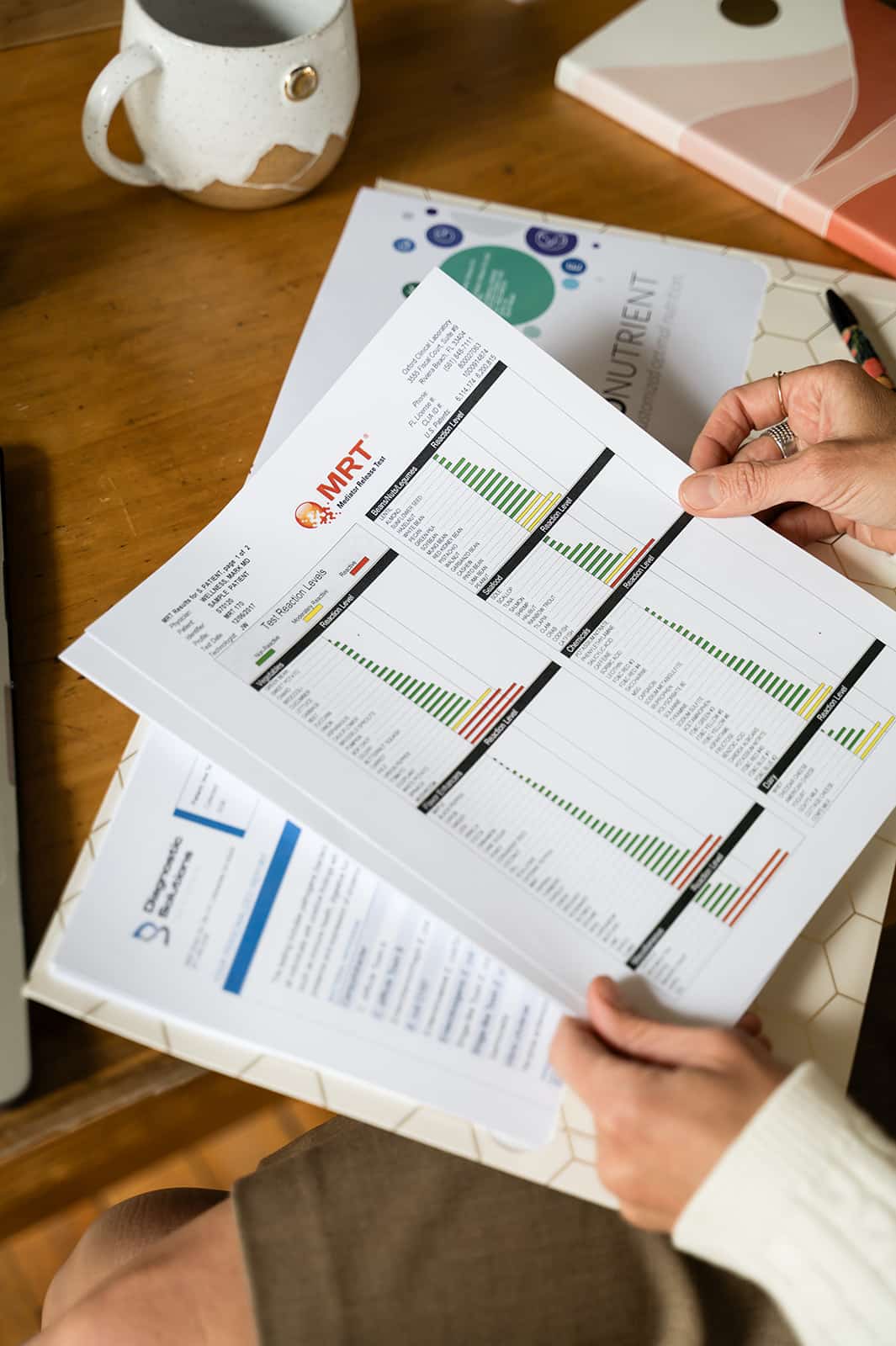
Food sensitivity testing gives you the power to pinpoint the exact foods that are triggering immune responses in your gut, rather than relying on broad elimination diets (like cutting out all FODMAPs).
By identifying your unique sensitivities, you’re only avoiding the foods that cause digestive distress while maintaining a healthy, diverse microbiome and an anti-inflammatory environment in the gut (32, 33, 34).
This personalized approach is a crucial step to healing IBS and ensures you’re not unnecessarily cutting out foods that could be supporting your gut. At the same time, it gives your digestive system a break from identified irritants, allowing it to heal (35).
By focusing on the foods that work for you as an individual, you can create a diet plan that nourishes your gut and supports healing (36).
Tips for Making the Best Smoothies for IBS
Making the perfect IBS smoothie isn’t just about ingredients—it’s also about how you prepare them. Here are some tips for making the best smoothies for digestive health:
- Use a non-dairy base: Many IBS sufferers find that dairy can aggravate their symptoms. Choose a no-additive plant based milk (like MALK, Elmhurst, JOI, or Three Trees) instead.
- Go easy on sweeteners: While fruits provide natural sweetness, try adding less added sweetener to your smoothie. Too much sugar or sugar substitute can irritate the gut.
- Incorporate fiber, but not too much: Fiber is important for digestion, but over-doing fiber can cause bloating. Stick to two fiber rich ingredients per smoothie.
- Blend thoroughly: Make sure to blend your smoothies until smooth to make it easier for your gut to digest.
- Add probiotics: Consider adding fermented foods like GT’s kombucha or coconut yogurt or try adding a probiotic supplement for added digestive support.
- Use a high powered blender for best results!
These tips ensure that your smoothies are not only delicious but also gentle on your digestive system.
Variations: Customizing Your IBS Smoothies
Smoothies can be customized to suit your specific IBS symptoms, whether you’re dealing with bloating, constipation, or diarrhea. Here are some variations you can try based on your needs:
For Bloating:
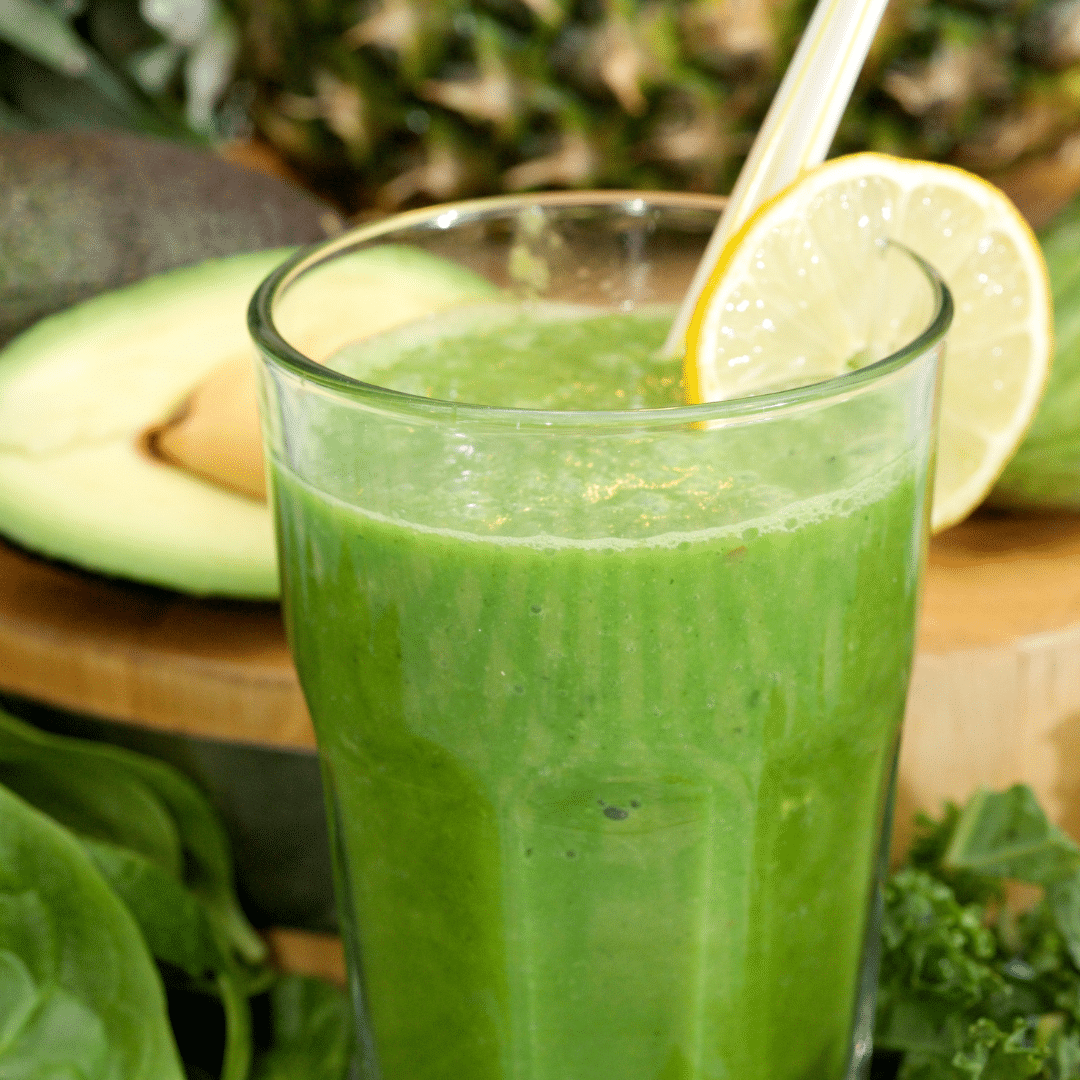
- Ingredients: 1/2 fresh avocado, handful peeled fresh cucumber, 1/2 cup frozen pineapple, small handful peppermint leaves, 2 Tbsp chia seeds, 1-2 dates, and 1.5c coconut water.
- Benefits: These ingredients have anti-inflammatory and soothing properties that help relieve bloating and gas.
For Constipation:
- Ingredients: 1.5 cup cooled brewed green tea, 2 Tbsp ground flaxseed, 1 Tbsp flax oil, 1 peeled fresh kiwi, 1/2 frozen mango, and a handful of spinach.
- Benefits: High in fiber and magnesium, these ingredients promote regular bowel movements and improve digestion.
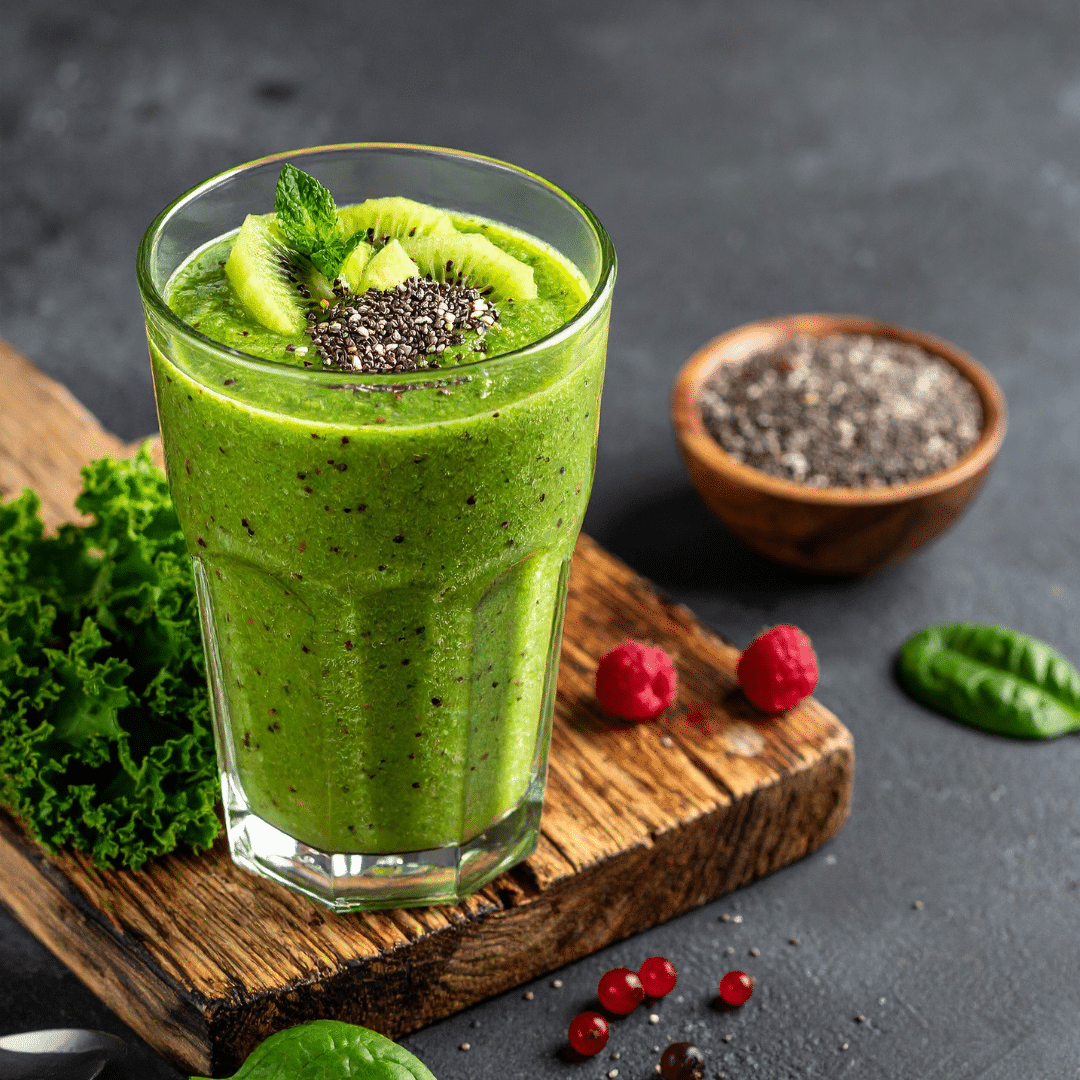
For Diarrhea:
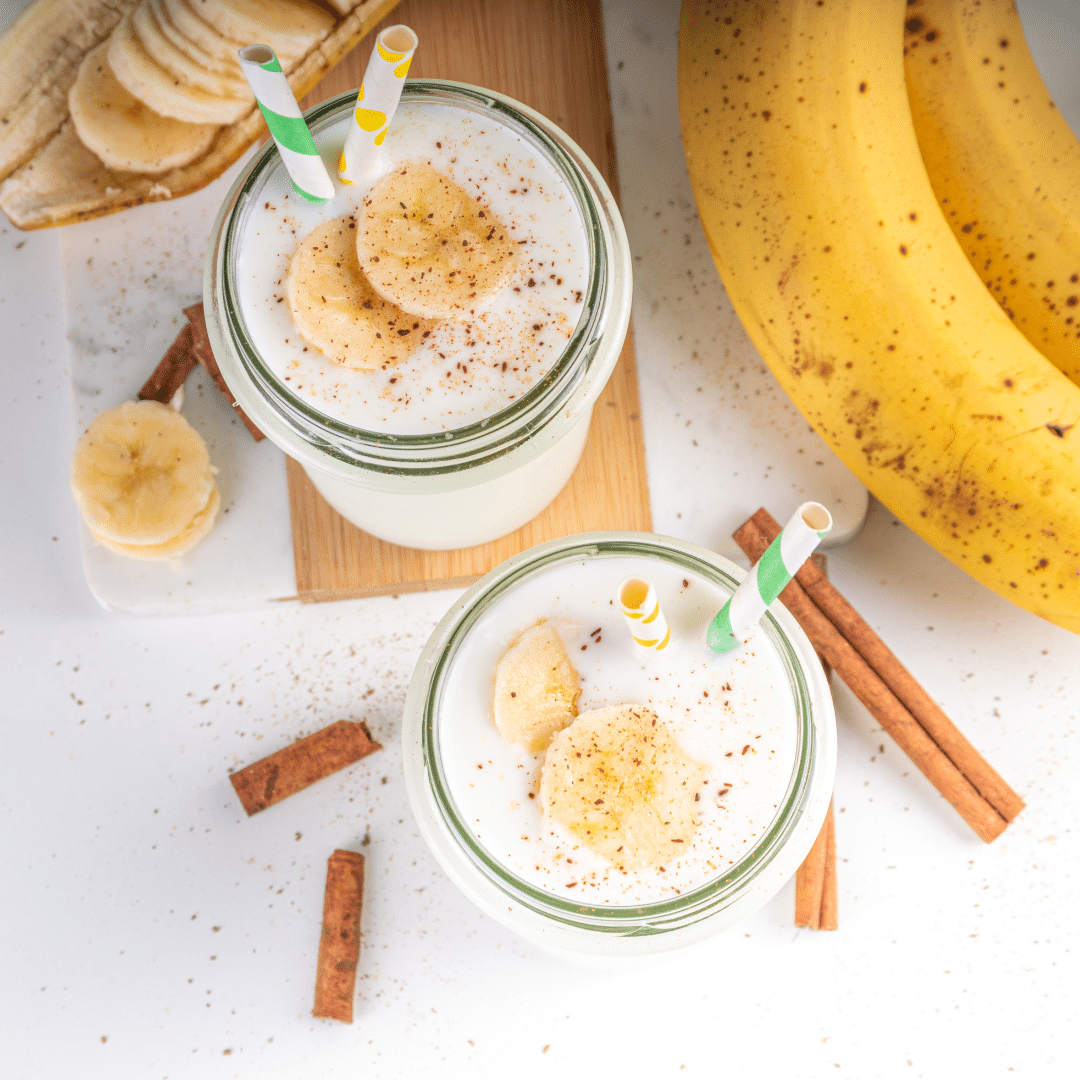
- Ingredients: 1 greenish banana, 2 Tbsp oat bran, 1/2 tsp cinnamon, 1.5c no-additive plant milk, and 2 Tbsp no-additive almond butter.
- Benefits: These ingredients are gentle on the stomach and help firm up stool while keeping smooth motility.
Other Flavorful IBS Smoothie Combinations:
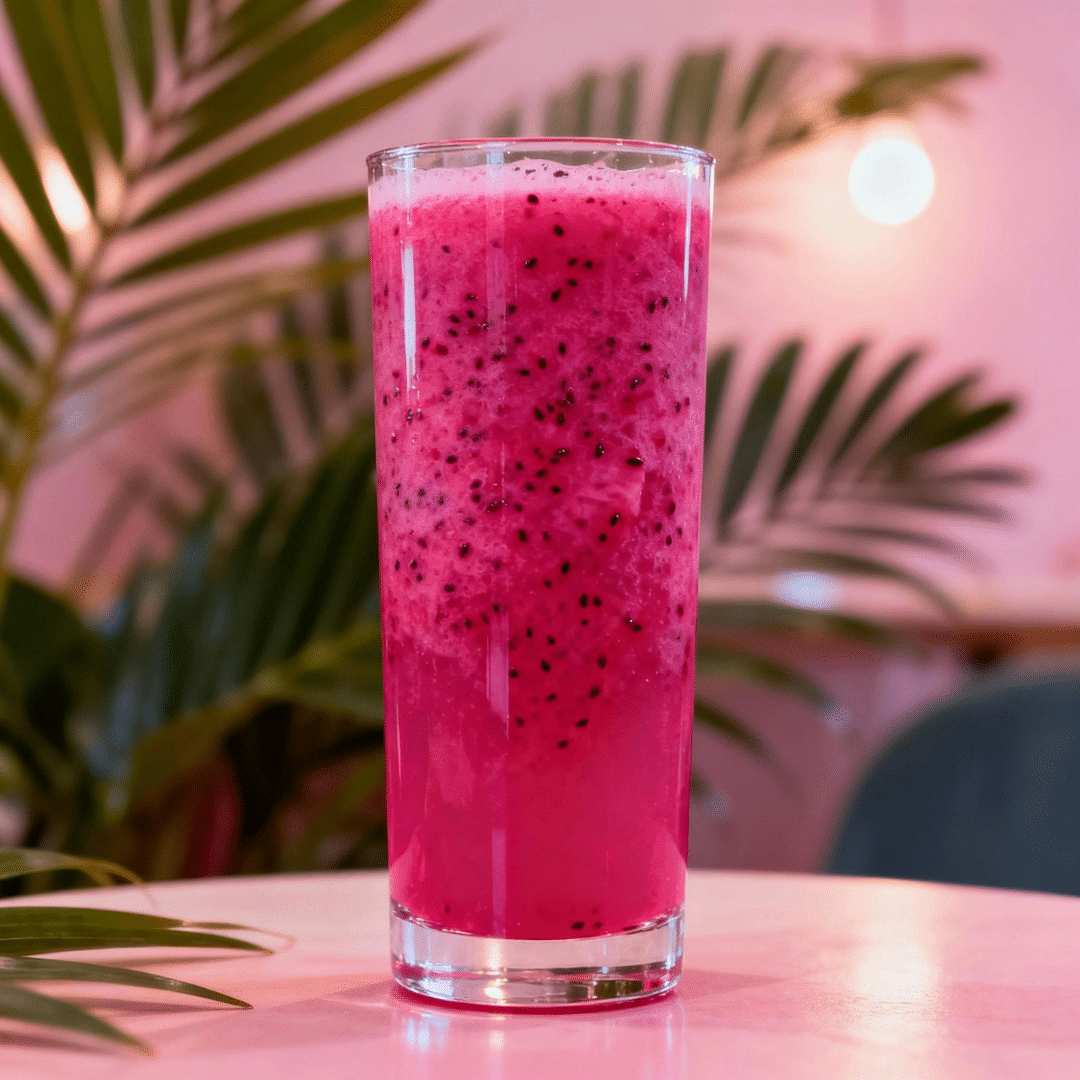
- Dragon Fruit Dream: 1 Frozen Dragon Fruit Pouch, 1.5 cup Coconut water, 1-2T Ground Flax, Handful Baby Kale, 1/2 tsp Cardamom, 1 Tbsp 100% Pure Maple, 1 scoop Rice Protein Powder
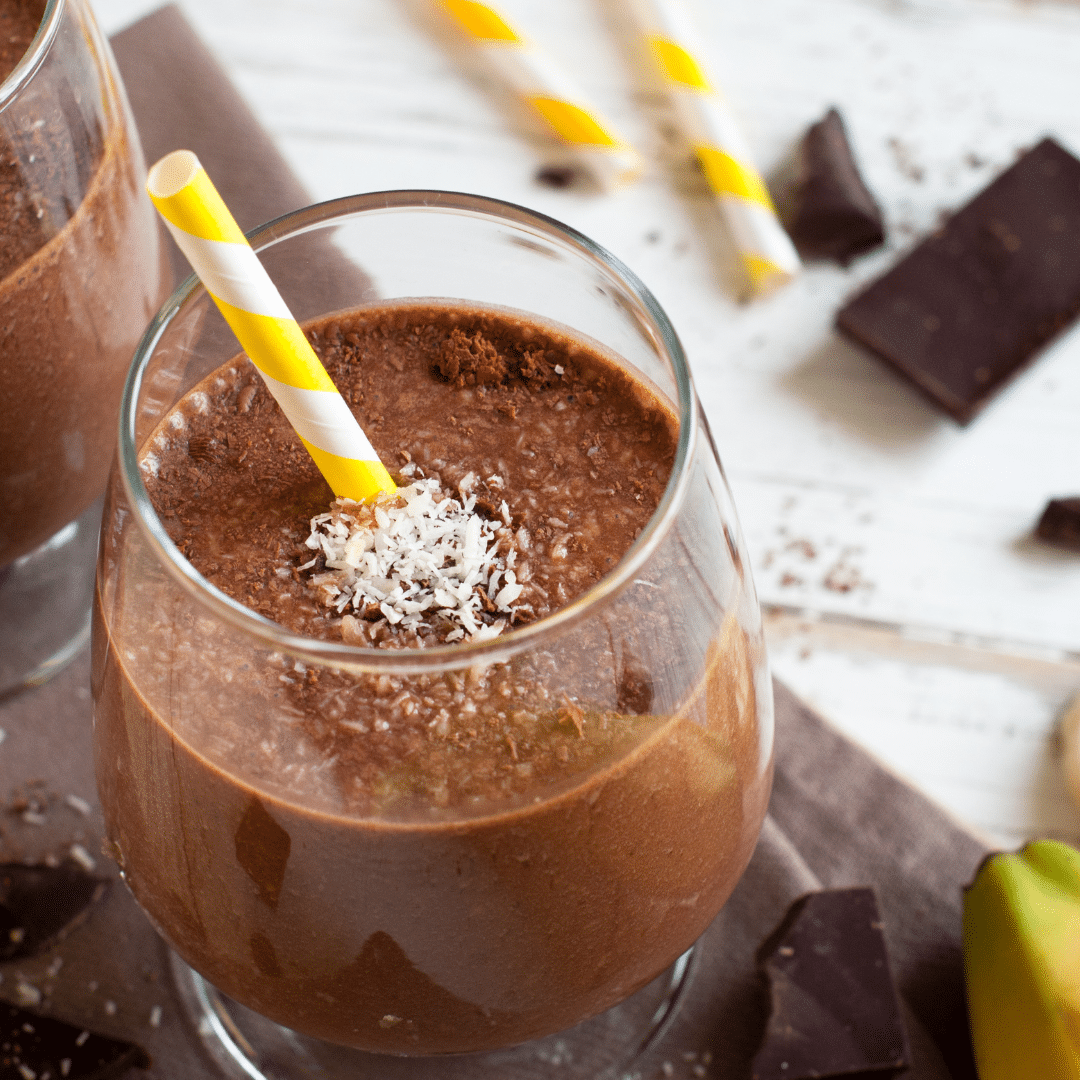
- Cacao Bliss: 1-2T Cacao, 1-2T No-additive Almond Butter, 1.5 cup No-Additive Plant Milk, 1/2 Banana, 1 Date, Small Handful Spinach, 1/2 tsp Vanilla Extract, 1 scoop Egg White Protein
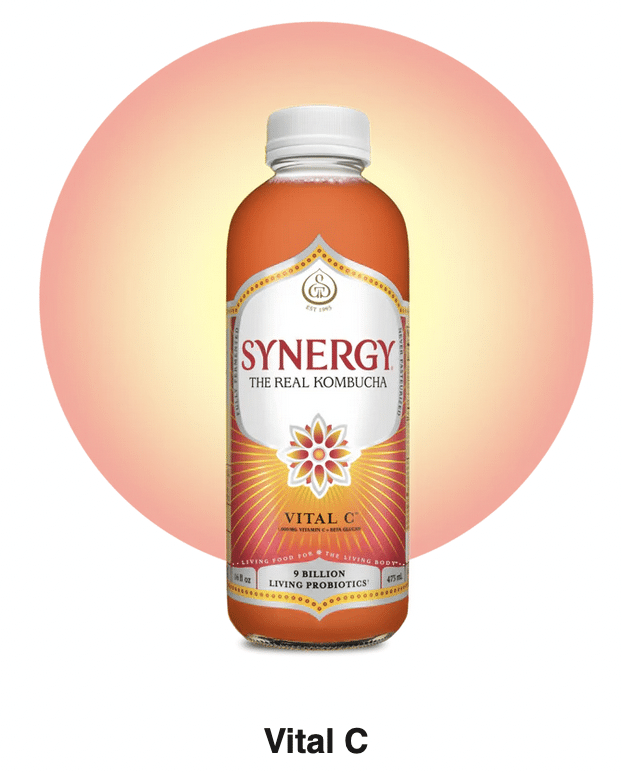
- Kombucha Citrus Kick: 1/2 Cup GT’s Synergy Vital C Kombucha flavor, 1/2 cup Filtered Water, 1/2 Fresh Avocado, 1/2 Fresh Orange, 1/2 cup frozen Peach, small handful baby kale, 2 Tbsp Chia Seeds, 1/2 tsp Ginger, 1 Tbsp Local Honey, 1 scoop Rice Protein Powder
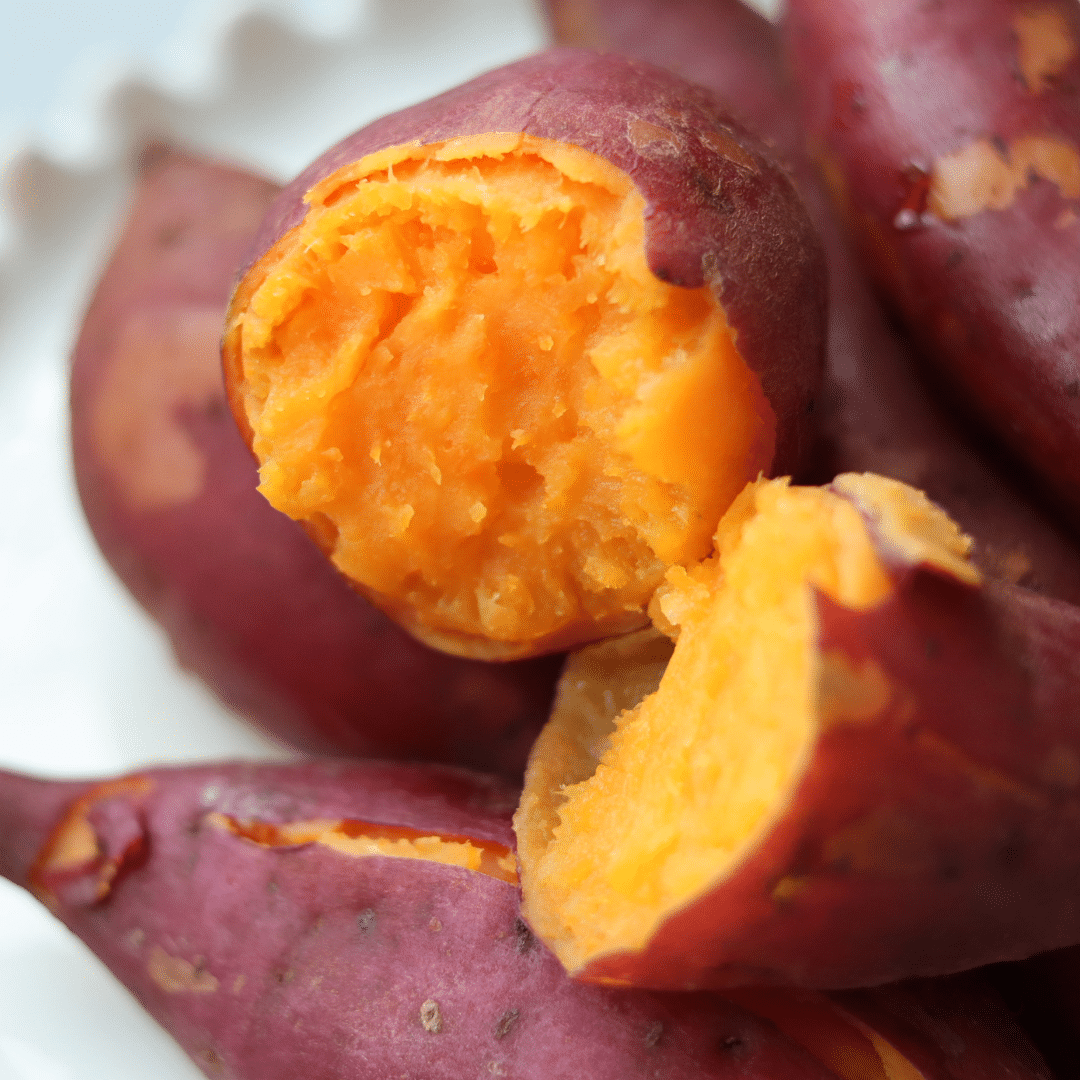
- Sweet Potato Spice: 1 cup No-Additive Plant Milk, 1 Tbsp Cashew Butter, 1/2 Banana, 1 handful Frozen Mango, 1/2 cup cooked and cooled Sweet Potato, 2 Tbsp Oat Bran, 1/2 tsp Cinnamon, 1 Tbsp 100% Pure Maple, 1 scoop Protein Powder
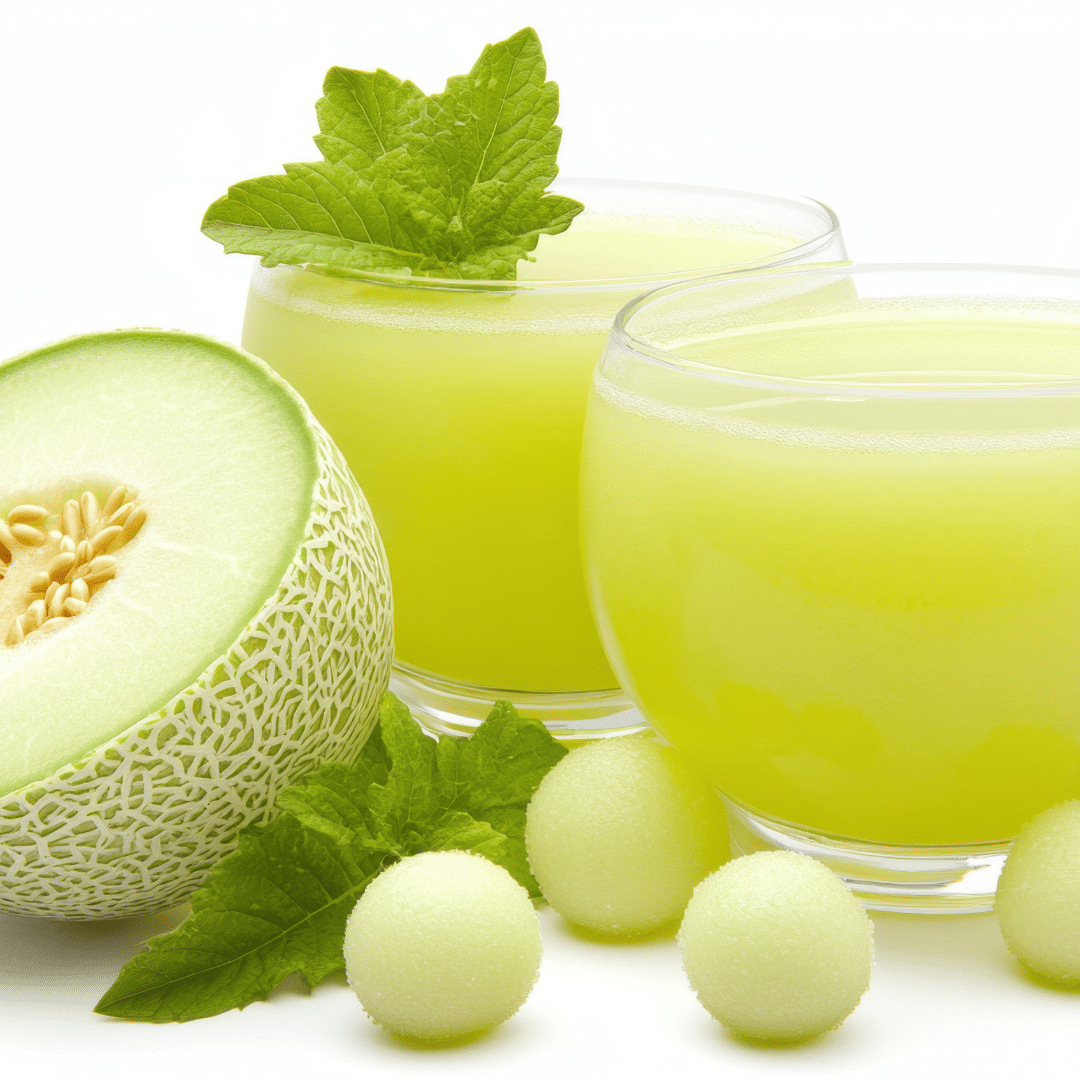
- Honeydew Mint Cooler: 1 cup Coconut Water, 1/2 fresh Avocado, 1/2 cup Fresh Honeydew Cubed, 1 handful Fresh Mint Leaves, 2 Tbsp Hemp Seeds, 1/2 tsp Ginger, 1 scoop Pea Protein Powder, Ice cubes optional
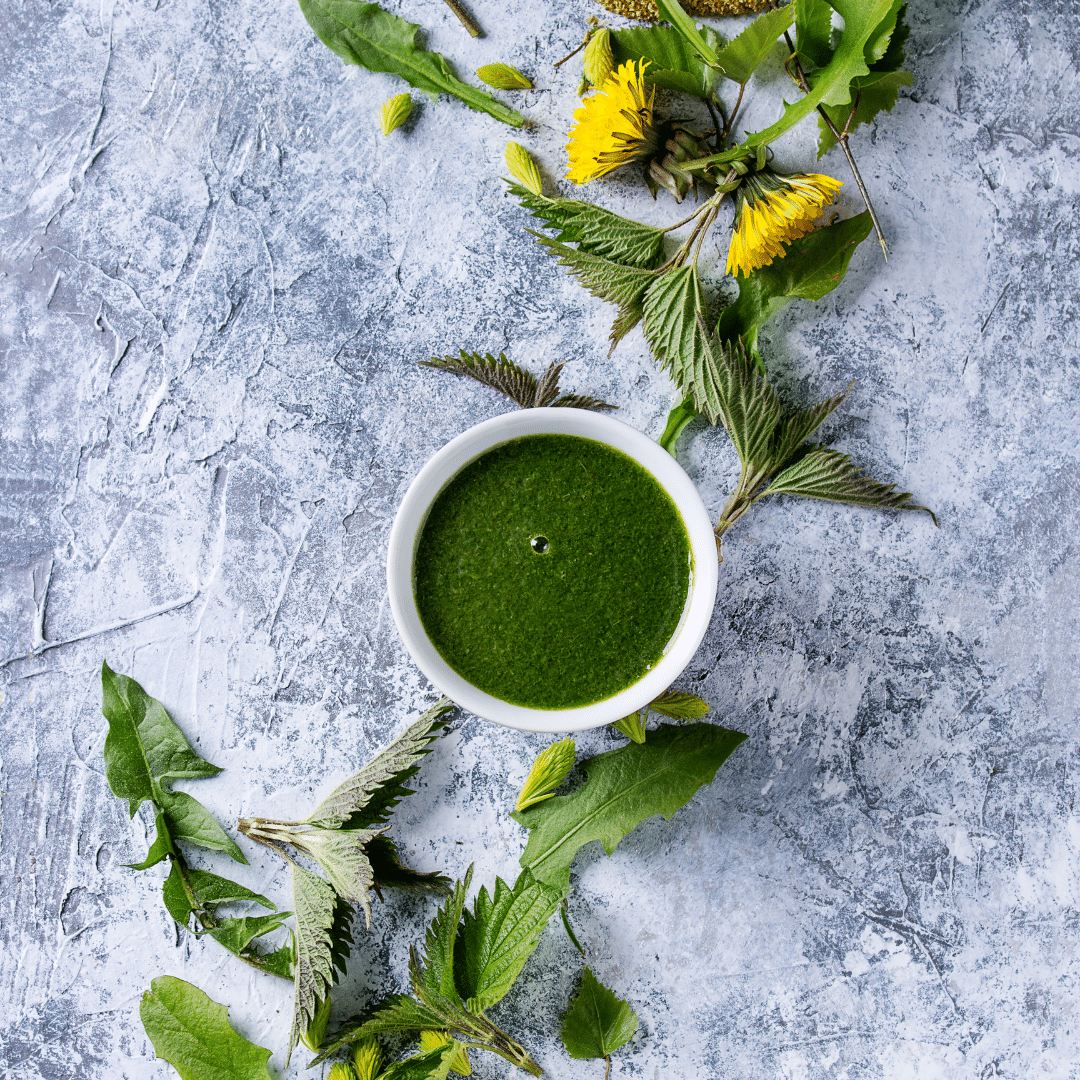
- Dandelion Green Detox: 1 cup Brewed and Cooled Green Tea OR 2-3 tsp Green Tea Matcha Powder + 1 cup Filtered Water, 1 Tbsp Walnut Oil, 1/2 Apple sliced, 1 Kiwi peeled, 2 Tbsp Hemp Seeds, 2 handfuls Dandelion Greens, 1 Tbsp Rice Syrup, 1/2 tsp Ginger, 1 scoop Beef Collagen Protein Powder, Ice cubes optional
The smoothie combinations are endless! By adjusting your ingredients, you can target specific IBS symptoms and find relief more effectively. Getting a food sensitivity test will help you identify which foods to add to your smoothies without triggering a gut flare.
Smoothies can be a great starting point, but if your IBS symptoms are still running your life no matter what you eat, an IBS dietitian can find the root cause that a smoothie swap can’t fix.
Feel less bloated, more energized, and in control of your digestion— in just 5 days.
A dietitian designed plan to calm your gut naturally.
Get Instant Access👇
FAQs About Smoothies for IBS
Q: Can smoothies help with IBS constipation?
Yes! Smoothies that are rich in fiber, such as those with chia seeds, flaxseeds, green kiwi, and leafy greens, can help regulate bowel movements and ease constipation.
Q: What fruits are best for IBS?
Fruits high in soluble fiber like bananas, peeled apples & pears, stone fruits, and melons, are gentle on the digestive system, easy to digest, and less likely to trigger IBS symptoms (37).
Q: Are smoothies good for IBS diarrhea?
Yes, smoothies made with soothing ingredients like bananas, oat bran, no-additive nut butter, all blended with a no-additive plant milk can help calm the digestive system and firm up stool while keeping smooth bowel movements (9, 22).
Q: Should I avoid dairy in my smoothies if I have IBS?
Many people with IBS find that dairy can irritate their symptoms (18, 19). It’s best to stick with non-dairy alternatives like a no-additive plant milk. My current favorite no-additive plant milks are MALK, Three trees, Elmhurst and JOI brands. It’s important to choose a no-additive plant milk to avoid flavors and emulsifiers that can disrupt intestinal health (38).
What to Serve With Your IBS-Friendly Smoothies
Pairing your IBS smoothie with gut-friendly snacks or meals can enhance the benefits and keep you satisfied. Here are a few ideas:
- Overnight Buckwheat Groats with chia seeds, fresh berries, and nut butter for a fiber-packed, satisfying breakfast.
- Avocado toast on Pacha buckwheat bread, a good source of healthy fats and fiber.
- Hard-boiled eggs for a protein-packed side dish that complements your smoothie.
- Lundberg Rice cakes with nut butter and fresh fruit slices for a quick, nutrient-rich snack.
These options are gentle on the digestive system and help balance your meal.
Other IBS Friendly Recipes You’ll Love
Looking for more IBS-friendly meal ideas? Check out these recipes:
- Minty Pepper Zucchini: A gluten free twist on noodles using a veggie spiralizer with a delicious mint and black pepper dressing
- Prebiotic Power Muffins: A delicious gluten free blueberry muffin to quench your sweet tooth while providing a gut health boost.
- Fermented Ginger-Lime Carrots: A simple beginners guide to fermenting your own food at home giving you a probiotic punch.
Check out the full recipes for each on my blog!
Best Smoothies For IBS Printable Guide
Ingredients
Equipment
Method
- Choose your smoothie combo from the ingredients listed.
- Blend until smooth
- Consume immediately for the freshest taste, or store in a mason jar and take it on-the-go.
Notes
Here’s the Best Part: I’ve Got Your Back in Finding Your Way to True Vitality
You’ve got to zoom out and see the entire picture of your health if you want a plan that actually speeds up your healing. By working with a IBS Dietitian, you can dive into the real reasons behind your IBS—and break up with doctor visits, low FODMAP diets, and prescription medications for good.
I’m here to help you craft a 3 month digestive reset program that’s designed just for your body. We’ll hunt down the food sensitivities, do comprehensive stool testing, and micronutrient testing—so you can finally heal and give your gut the fresh start it deserves.
If you’re not sure where to start, here are your next steps:
- Take the Free Midlife IBS Assessment Quiz — 3 minutes to get clearer on what’s driving your midlife IBS symptoms
- Book a free Digestive Assessment Call — let’s talk about your specific situation and whether my program is the right fit
- Learn more about working with a IBS Dietitian who offers a comprehensive 3-month personalized approach for women who are done guessing
- Join the Free 5 Day Gut Healing Plan to learn the top 5 tips a digestive health dietitian recommends to heal gut issues

With over 20 years of experience, Sarah Neumann Haske, MS, RDN, specializes in helping clients resolve chronic digestive issues through a root-cause approach. She holds a Master of Science in Human Nutrition, is a Certified Microbiome Analyst, and is the owner of Neumann Nutrition & Wellness, LLC. Through her 3-month gut healing program, clients can reduce reliance on medications, improve energy levels, and achieve sustainable, long-term healing.
- Sarah Haske, MS, RDN

- Sarah Haske, MS, RDN
- Sarah Haske, MS, RDN
- Sarah Haske, MS, RDN